
About OutsourceIT2Philippines
- OIT2P has sealed its status in becoming the Philippine's premier Outsourcing Portal, providing foreign companies with easy access to the widest range of IT solution providers.
- The OIT2P team evaluates clients' businesses and identifies what kind of Internet presence they need.
- The OIT2P Management Team has significant professional management experience
- Our seven servers are located in two state-of-the-art data centers in Lansing, Michigan




Overview of the Philippines
The Philippines is a tiny group of islands found in the Far East just below Taiwan and Japan. It comprises of three (3) major islands named: Luzon, Visayas and Mindanao. Manila is located in the island of Luzon and is the capital and largest city in the Philippines.
Traveling to the Philippines is such a unique experience for those who are more adventurous. Weather is relatively hot and humid during the day with some scattered rain-showers towards the afternoon so it is best to wear light casual clothing and comfortable walking shoes. The best time to travel to the Philippines is during the off-typhoon season beginning September to June.
The fastest way to get to the Philippines is by plane. Manila, Cebu and Davao Cities are the only major entry points.
There are flights between the Philippines and many Asian cities, Australia, Canada, continental Europe, UK, New Zealand and the USA. There are also flights between Davao in Mindanao to Manado Indonesia, Malaysia, Brunei and occasional flights to Australia and Hong Kong.
Most of the Philippines is laidback but relatively safe. Majority of the tourists stay in Manila for a few days before moving to the countryside or less populated cities to enjoy the sceneries, beaches, culture and food. There are 3 major airlines offering domestic flights between major Philippine cities while the rest of the places can either be traveled by boat, car or bus.
The Philippines has developed a mixed culture from the blending of foreign influences with native elements. Some of the tribes are isolated in remote areas but you will be able to experience their presence during local feast days, usually during foundation days of each city or place. Visitors are more likely to witness beauty contests, colorful soap operas, violent and sentimental Filipino movies, sing-along and local bands perfectly imitating Western pop tunes.
Filipinos are known to be exceptionally friendly and helpful and are known to be the happiest people on earth. Food is really good everywhere, transportation is cheap, accommodation is plentiful and (for the monolinguistic) English is widely spoken.
People and Culture
The country is marked by a true blend of cultures; truly in the Philippines, East meets West. The background of the people is Indonesian and Malay. There are Chinese and Spanish elements as well. The history of American rule and contact with merchants and traders culminated in a unique blend of East and West, both in the appearance and culture of the people of the Filipinos, or people of the Philippines.
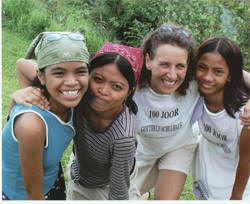
Hospitality, a trait displayed by every Filipino, makes these people legendary in Southeast Asia. Seldom can you find such hospitable people who enjoy the company of their Western visitors. Perhaps due to their long association with Spain, Filipinos are emotional and passionate about life in a way that seems more Latin than Asian.
The Spaniards introduced Christianity (the Roman Catholic faith) and succeeded in converting the overwhelming majority of Filipinos. At least 80% of the total population belongs to the Roman Catholic faith.
The American occupation was responsible for teaching the Filipino people the English language. The Philippines is currently the third-largest English speaking country in the world.
Ethnic Groups:
91.5% Christian Malay, 4% Muslim Malay ,1.5% Chinese and 3% other.
Languages:
The national language is Pilipino, which is based on the language of Tagalog, although there are at least one or two dialects spoken in every region. English is both spoken and understood throughout the country, especially in business negotiations and in the government. Hokkien, Cantonese and Mandarin are spoken by older members of the Filipino-Chinese community.
Religion: 83% Roman Catholic, 9% Protestant, 5% Muslim, 3% Buddhist and other.
Food to Eat
Filipino cuisine has Chinese, Malay and Spanish influences. Popular morning and afternoon snacks are called merienda, and pulutan (small morsels) are usually served with alcoholic drinks. Barbecued sticks of meat, chicken or seafood are popular evening foods. Standard dishes are always served with rice with more than 4-5 viands consisting of meat stews, vegetables cooked with vinegar and garlic, grilled fish and a huge variety of soups: rice, noodles, sinigang (sour soup). Side dishes include shredded pickled papaya, fermented fish or shrimp paste and bite-sized pieces of crispy pig skin called �chicharon�. Halo-halo is a dessert made from crushed ice mixed with fruit preserves, sweet corn, young coconut and various tropical delights, topped with a wad of cr�me caramel and a scoop of ice-cream and rise crispies. If you are more adventurous, you will be able to eat dinuguan (blood stew), balut (18-day old duck�s egg), papait (beef, intestines with bile), kaldereta (oxtail stew) and strange tropical fruits such as durian, marang, mangosteen, lanzones and jackfruit.
Places to Visit
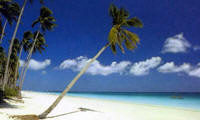
A visit to the Philippines is an interesting experience. You will see interesting volcanoes from the world�s smallest, to the world�s perfect and to the world�s most dangerous and enchanted. Visit famous resorts and white sand beaches in the Visayas. And if you are a wildlife enthusiast, you will see rare animals like the Tarsier (smallest primate), whale-sharks, sea turtles or the second largest eagle (Philippine Eagle). Rare orchids and flowers can also be seen in the provinces of Davao. Once you reach your destinations, simply ask any of the locals and they will be glad to help.
Recommended Cities: Laoag, Pangasinan, Cagayan de Oro, Baguio, Bohol, Davao, Cebu, Bacolod, Ilo-Ilo, Aklan and Dumaguete.
Medium of Exchange
Piso is the national currency of the Philippines (Pesos). The US dollar is the most recognized foreign currency in the Philippines, and is often easier (and cheaper) to change than travellers' cheques. You should have no trouble changing British pounds or euros as well. You can go to money changers to have your currency converted, they may offer you higher exchange rates but be cautious. It is still best and safer to deal with the banks. ATMs are also all over the place, particularly in the big cities, and they operate 24 hours daily and credit cards are widely used in major cities.
Places To Stay
Most major cities have really nice hotels to choose from. You may opt to stay in 5-star hotels but generally, the cheaper hotels are relatively clean, spacious and services are outstanding. Most hotels have cable TVs, airconditioners and hot and cold baths.
Transportation
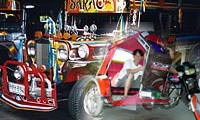
Surprisingly, the Philippines� transportation system is very unique. The railway transit can only be found in Manila. The rest of the country, buses, colorful extended jeepneys and tricycles are widely used. You will also experience riding in pedicabs or backriding in motorcycles to transport you to your destinations. Transportation is very cheap.
Currency
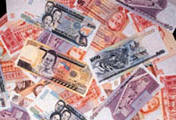
The unit of currency in the Philippines is the peso (P). Notes are issued by the Central Bank in denominations of P5, P10, P20, P50, P100, P500 and P1,000. Coins are issued for 5c (centavos), 10c, 25c, 50c, P1, P2 and P5.
Most foreign currencies can be exchanged at banks, hotels and authorized foreign exchange dealers. Outside of Manila, the use of the Philippine pesos for payments is preferred.
Travelers checks issued by American Express, Bank of Tokyo, Bank of America, Barclays and Citibank are widely accepted. Major credit cards such as Visa, MasterCard, American Express and Diners Club can be used to pay for most goods and services.